
General and Visceral Surgery
General and visceral surgery covers the surgical management of numerous conditions of the digestive system and the abdominal wall. Dr Pierre Fournier offers an individualized evaluation to determine, for each patient, the most appropriate indication and therapeutic approach for their situation.
UNDERSTANDING
A field of surgery covering several organs and systems
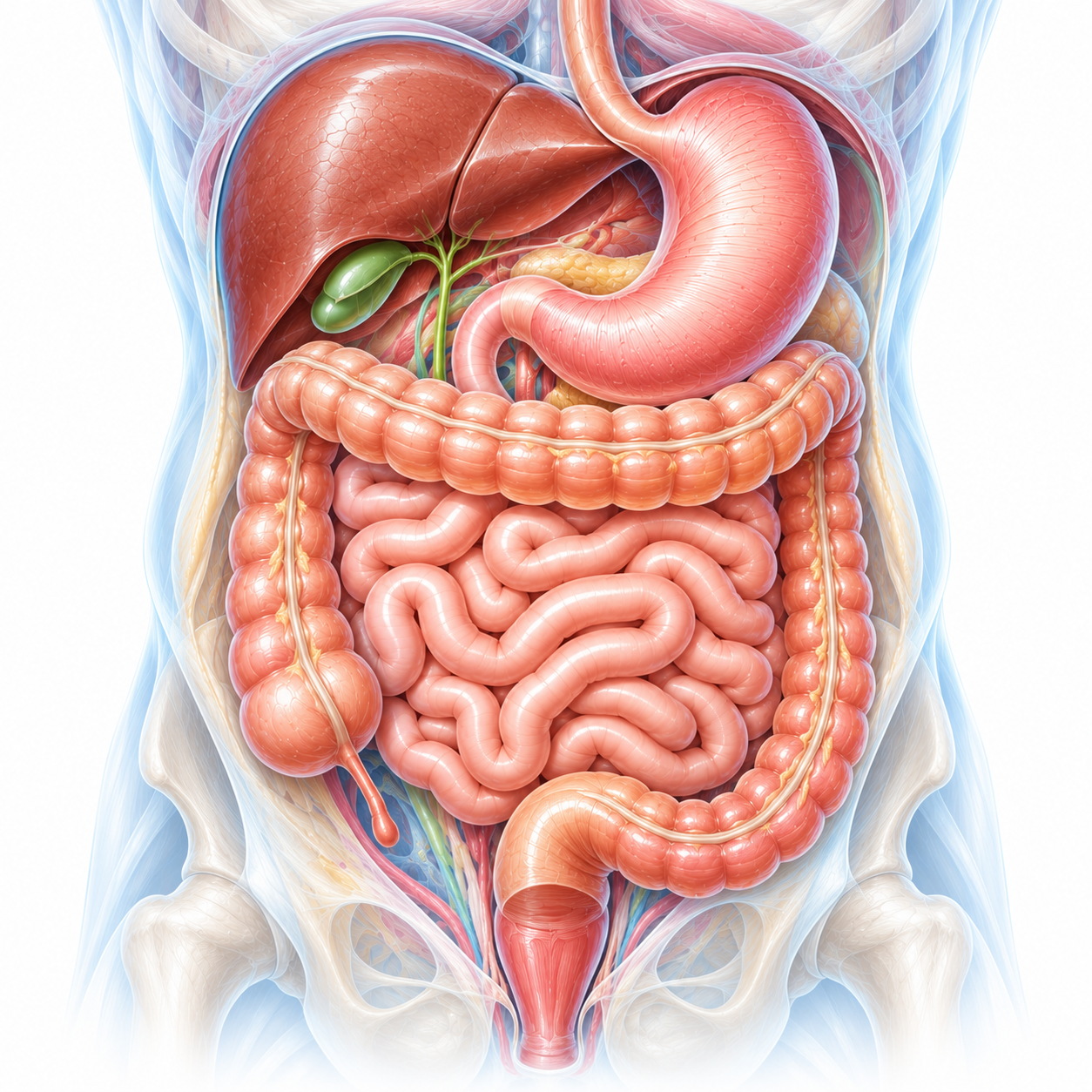
General and visceral surgery encompasses a range of procedures affecting notably the digestive system, the biliary tract and the abdominal wall. Depending on the condition, care may concern the oesophagus, the stomach, the gallbladder, the small intestine, the colon, the rectum or the abdominal wall. Each situation requires a specific assessment. The choice of a surgical treatment depends notably on the diagnosis, symptoms, tests performed, the patient’s general condition and the available therapeutic alternatives. For more information, the visceral surgery department of the Geneva University Hospitals (HUG) also provides useful resources.
AREAS OF SURGERY
Specialized areas of care
General and visceral surgery covers several areas. Each situation is specifically assessed before determining the appropriate therapeutic strategy.
Colorectal Surgery
Surgical management of benign or malignant conditions of the colon and rectum, when the medical situation warrants it.
Explore colorectal surgeryProctology
Assessment and treatment of the main proctological conditions, notably haemorrhoids, anal fissures and certain pilonidal conditions.
Explore proctologyHepatobiliary Surgery
Management notably of gallbladder conditions and certain biliary tract disorders requiring surgical treatment.
Explore hepatobiliary surgeryAbdominal Wall Surgery
Assessment and treatment of hernias and incisional hernias of the abdominal wall according to their characteristics and the patient’s situation.
Explore abdominal wall surgeryEsophagogastric Surgery
Management of certain conditions of the oesophagus and stomach that may require surgical treatment.
Explore esophagogastric surgeryEndocrine Surgery
Surgical management of certain conditions of the thyroid and parathyroid glands.
Explore endocrine surgery
EVALUATION
A surgical indication that is always individualized
A surgical consultation does not automatically lead to an operation. It allows the clinical situation, symptoms, tests already performed and the various therapeutic options to be analysed. Depending on the condition and context, further tests may be necessary to clarify the diagnosis or the anatomy concerned. The decision to operate is therefore based on an individualized assessment of the situation and a discussion with the patient about the expected benefits, alternatives and risks of the planned procedure.
Clinical evaluation
Analysis of the patient’s situation, symptoms and medical history.
Tailored tests
Further tests may clarify the diagnosis depending on the situation.
Individualized decision
The indication is discussed with the patient based on benefits, alternatives and risks.
TECHNIQUES
An approach tailored to each procedure
General and visceral surgery procedures can be performed using different approaches. The choice depends notably on the condition, the procedure planned, the patient’s anatomy and the medical context.
Open surgery
Some procedures are performed via an open approach, depending on the condition and the patient’s situation.
Minimally invasive surgery (laparoscopy)
Other procedures may be performed by laparoscopy, when this approach is suited to the situation.
Robot-assisted surgery
In certain selected indications, a robot-assisted approach may also be considered.
The choice of technique is determined according to the procedure and the patient’s individual situation.
PATIENT PATHWAY
From consultation to postoperative follow-up
When surgery is indicated, care is organised in several stages to prepare for the operation and ensure appropriate follow-up.
01
Consultation
Review of the clinical situation and any tests already performed, and discussion of the available options.
02
Preparation
Organisation of any further tests and steps required before the procedure.
03
Procedure
The procedure is carried out using the technique selected for the patient’s situation.
04
Follow-up
Postoperative follow-up tailored to the procedure performed and the patient’s progress.


CARE
Expertise in general and visceral surgery
Dr Pierre Fournier practises general and visceral surgery in Nyon and manages various digestive, biliary and abdominal wall conditions. His practice combines surgical assessment, the individualized choice of operative technique and patient follow-up before and after the procedure. When multidisciplinary care is required, the therapeutic decision is made in collaboration with the other specialists involved.
Discover Dr Pierre FournierGO FURTHER
Find procedures by area
Looking for information about a specific procedure? Find the different surgical procedures presented by area.
See all procedures Book an AppointmentWould you like a surgical opinion?
A consultation allows your situation to be assessed, available tests to be reviewed and the different care options to be discussed.
Book an Appointment Contact Us