
THE PRACTICE
Dr Pierre Fournier
Visceral, digestive, bariatric and metabolic surgeon
A surgical practice built on experience, precision and individualized care, incorporating minimally invasive techniques and robotic surgery when relevant.
Surgery tailored to each patient
There is no single surgical technique suited to every situation.
The choice of procedure and surgical approach depends in particular on the condition, the anatomy, the patient’s history, any previous operations, and the goals of care.
Conventional surgery, laparoscopy or robotic assistance can therefore address different situations.
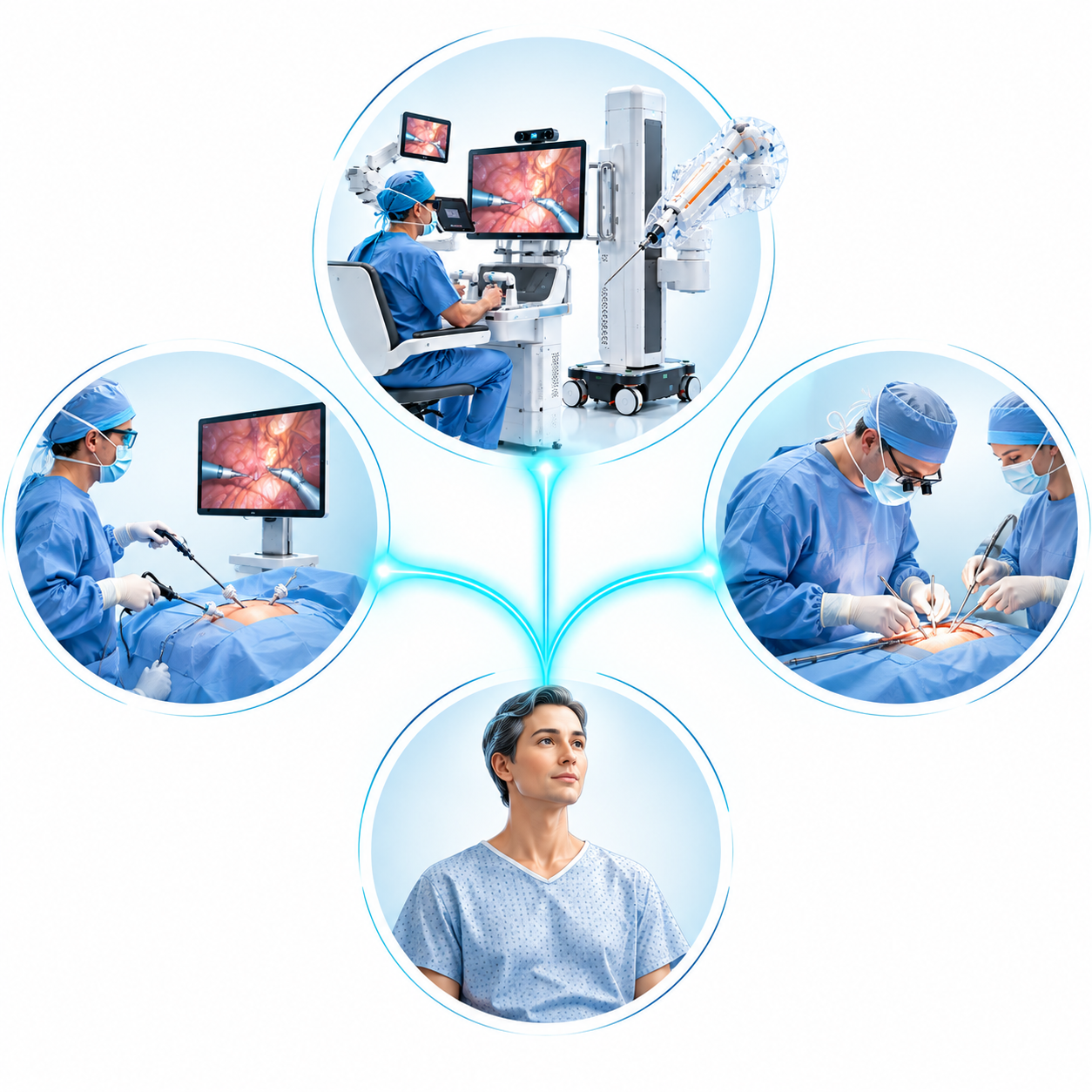
The consultation makes it possible to review these factors, explain the options available along with their benefits and limitations, and then define together with the patient the strategy best suited to their situation.
A practice focused on minimally invasive surgery
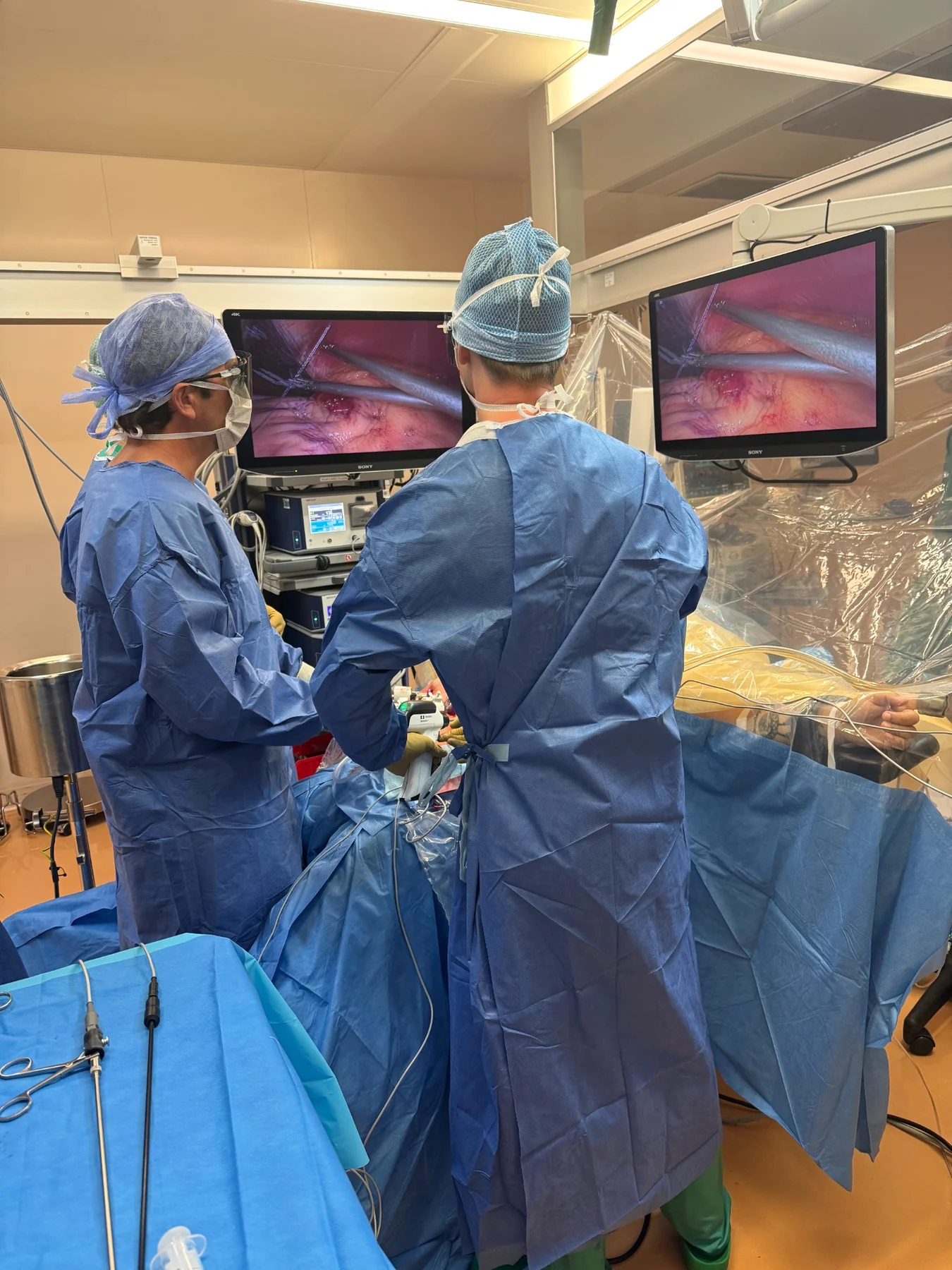
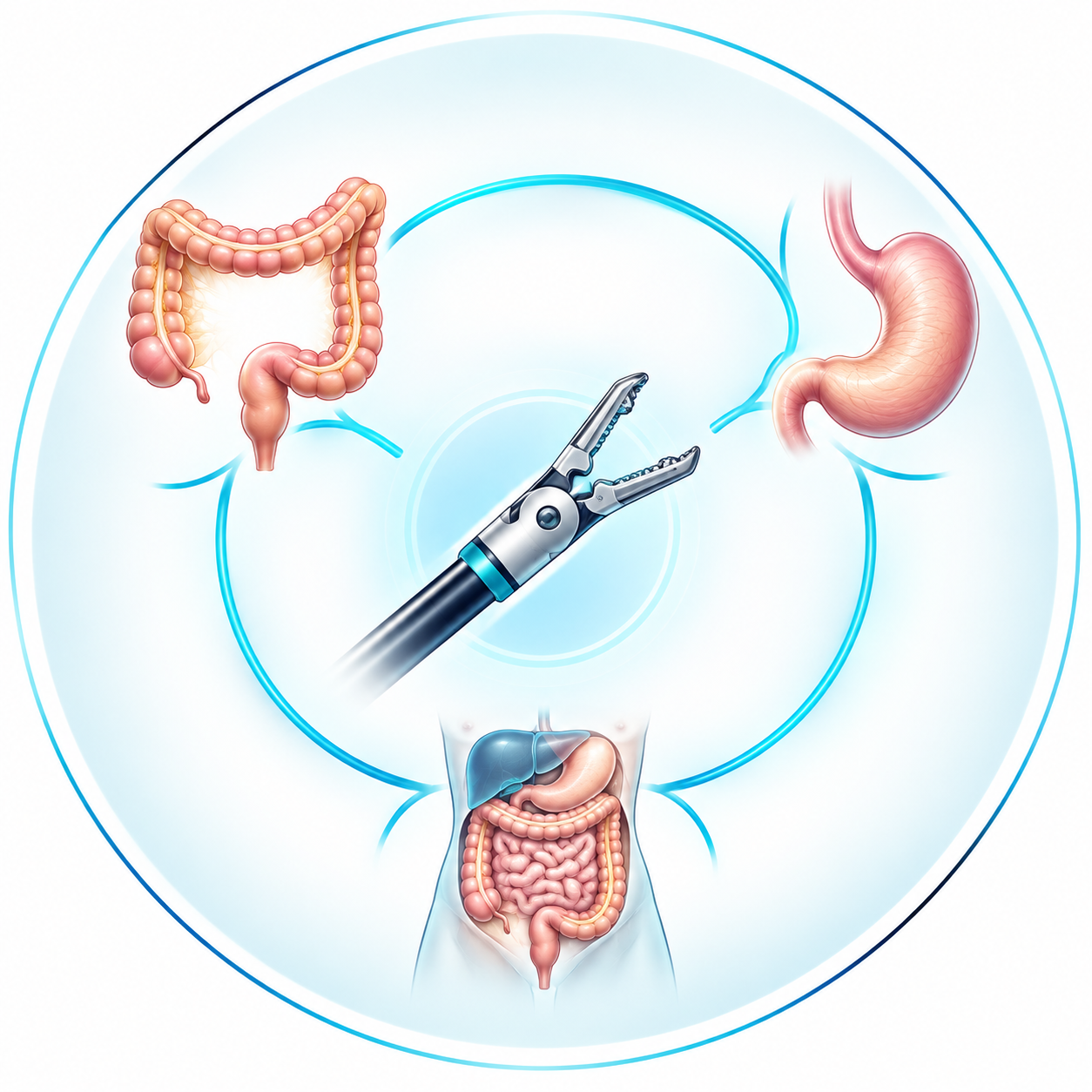
Minimally invasive surgery makes it possible to perform many procedures through limited incisions, using a camera and instruments specifically designed to work inside the abdomen.
When the clinical situation allows, this approach can help limit trauma to the abdominal wall and forms part of an overall recovery strategy after surgery.
The technique used, however, is never chosen for its own sake: above all, it must be suited to the procedure and to the patient.
Expertise in visceral and digestive surgery
Dr Pierre Fournier’s practice covers several areas of abdominal and digestive surgery in particular.

Digestive surgery
Surgical management of digestive tract conditions according to their nature and indication.

Obesity and metabolic surgery
Evaluation and surgical treatment of obesity as part of specialized, multidisciplinary care.

Abdominal wall surgery
Management of hernias, incisional hernias and other abdominal wall conditions.

Minimally invasive surgery
Laparoscopy and minimally invasive techniques when suited to the procedure.

Robotic surgery
Use of Hugo™ robotic assistance in situations where this technology offers a benefit to the surgical strategy.

Other procedures
Access to the full range of conditions and procedures treated.
SURGICAL TECHNOLOGY
The surgeon remains in control
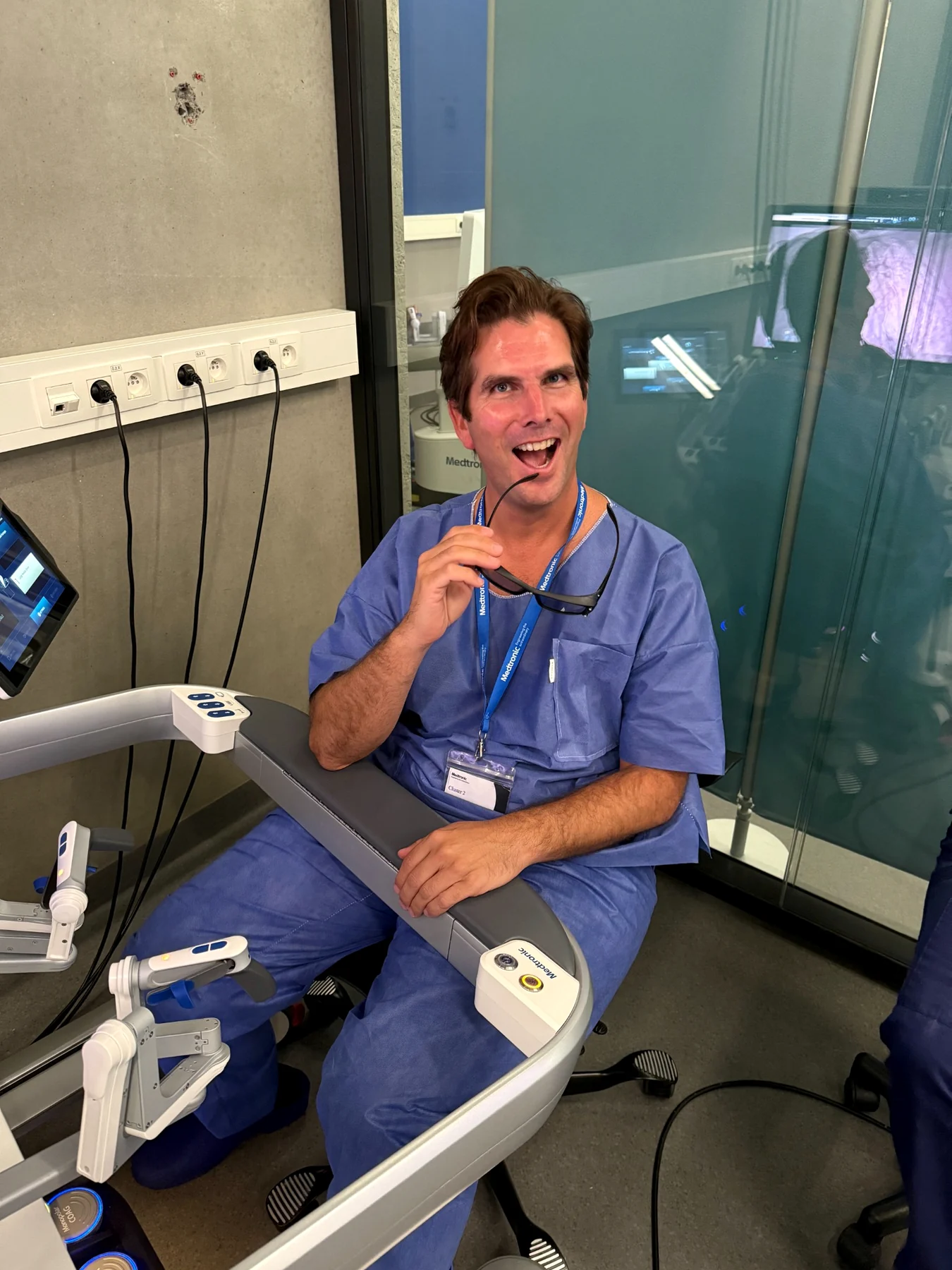
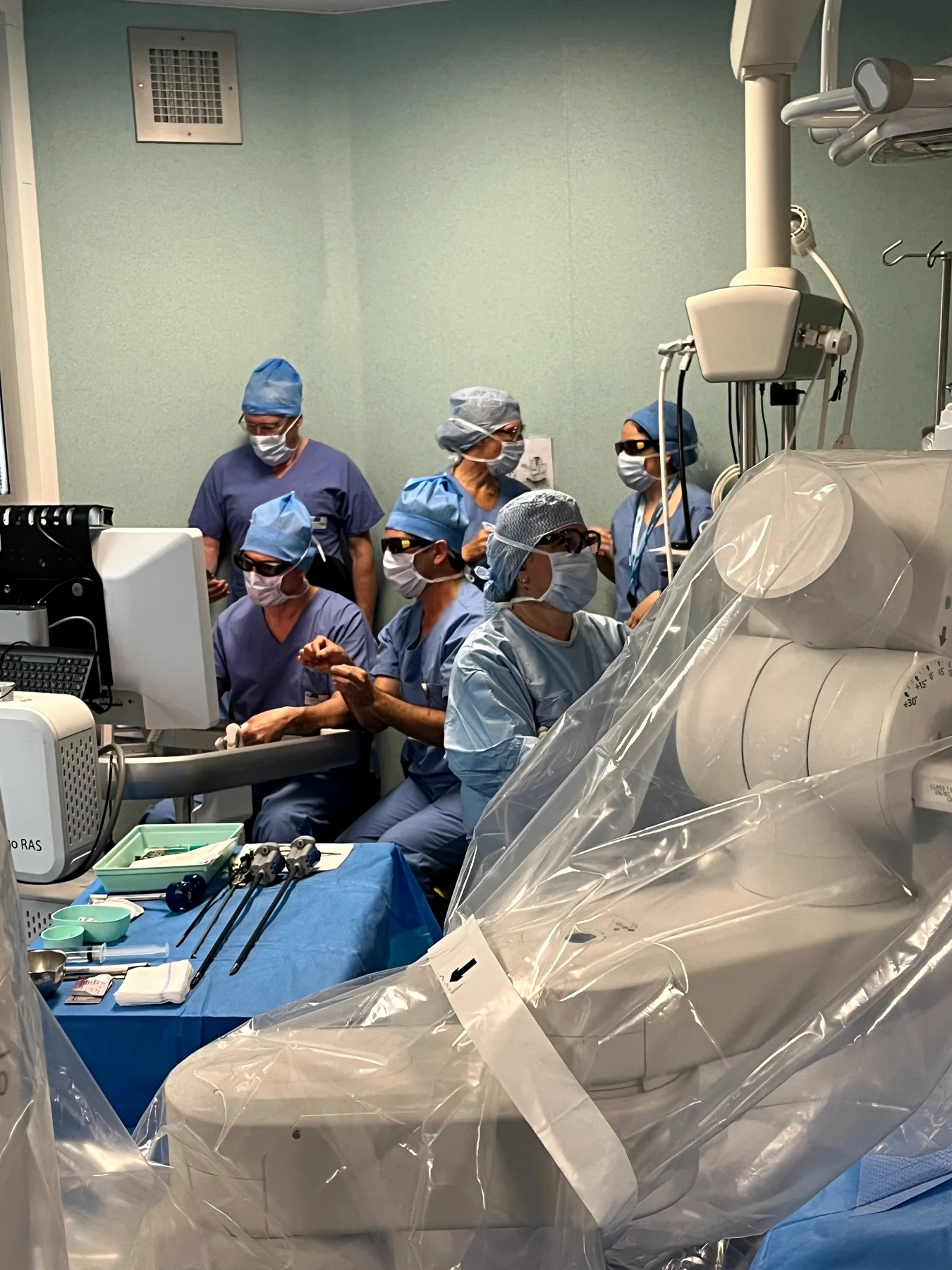
Robotic surgery is a form of minimally invasive surgery assisted by a technological platform.
The system does not perform the procedure autonomously.
From the open console, the surgeon directly controls the instruments and their movements throughout the procedure, while the surgical team remains present at the patient’s side.
This technology is an additional tool. Its use depends on the procedure being considered, the clinical situation, and the benefit it may offer the patient.
Surgery is teamwork
A surgical procedure never rests on a single person.
Surgeons, anesthesiologists, nursing staff and other professionals involved in care intervene at different stages of the surgical pathway.
This coordination begins before the procedure and continues in the operating room and then during postoperative recovery.
TEACHING
Teaching, sharing, advancing practice
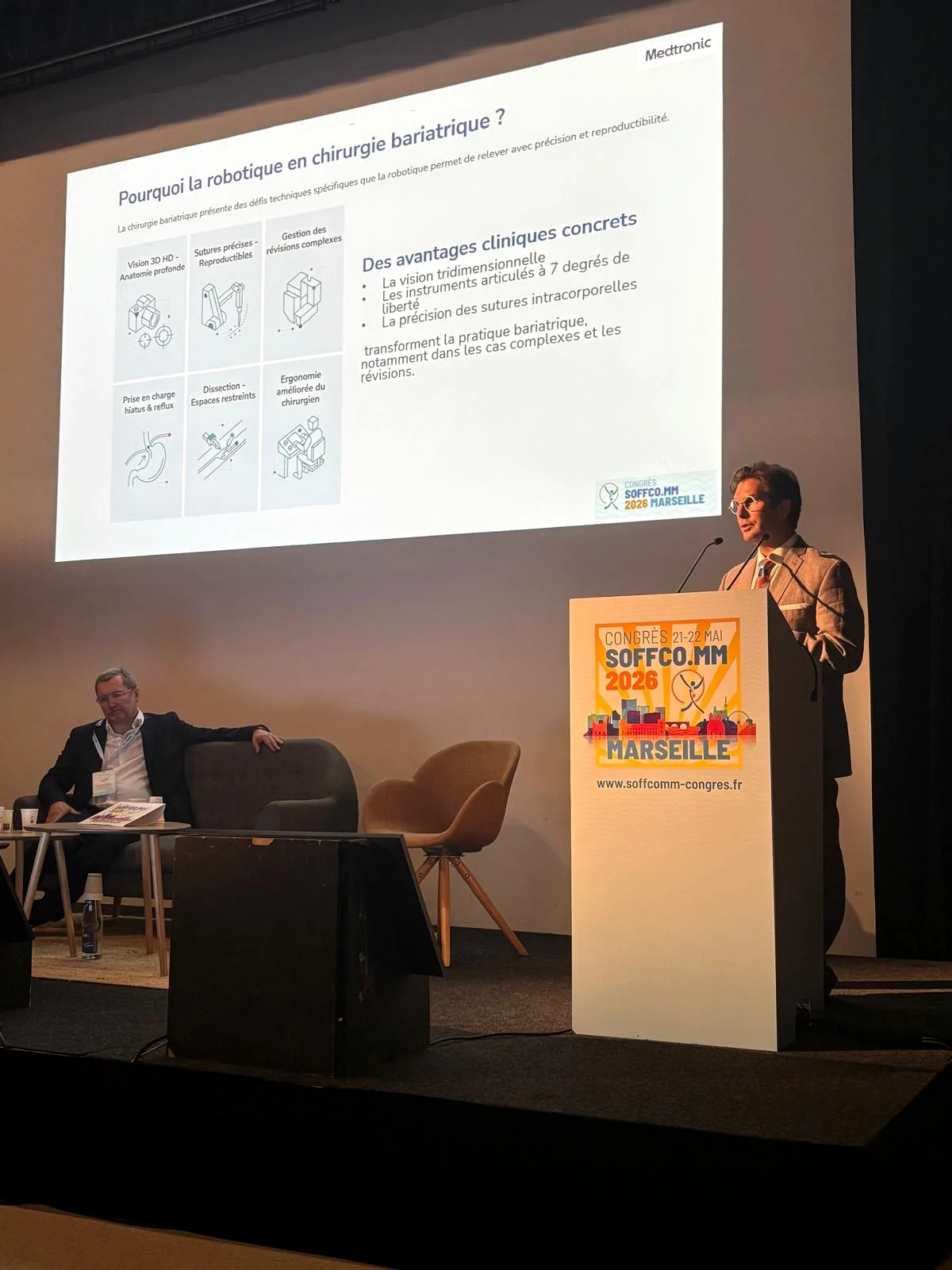
Surgery evolves through experience, training, the evaluation of techniques and the sharing of knowledge.
Dr Pierre Fournier takes part in training activities and scientific meetings devoted in particular to digestive, bariatric, minimally invasive and robotic surgery.
Conferences, teaching and exchanges between professionals make it possible to compare practices and support the evolution of surgical techniques.
Dr Pierre Fournier currently serves as Head of the Surgery Department at the Nyon Hospital (GHOL – Groupement Hospitalier de l’Ouest Lémanique), where he continues his clinical and surgical activity alongside his consultations at the practice.
ACADEMIC INVOLVEMENT
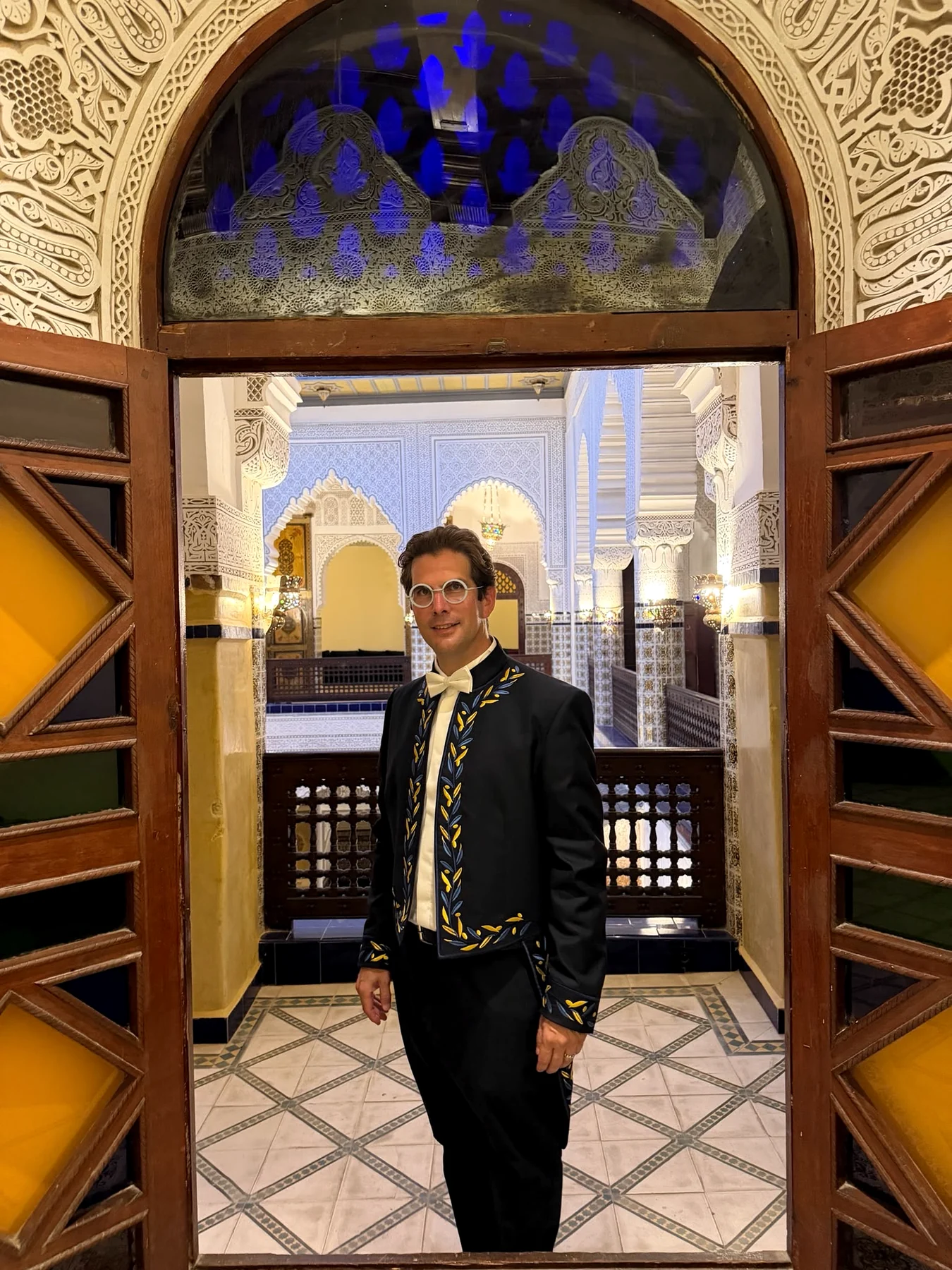
Académie Nationale de Chirurgie
Dr Pierre Fournier is a member of the Académie Nationale de Chirurgie (French National Academy of Surgery).
This involvement is part of a broader activity of sharing knowledge, reflecting on surgical practice and passing on expertise between professionals.
Technology does not replace medical judgment
Surgical techniques evolve. Instruments change. Operative possibilities expand.
But the essential question remains the same: which approach is best suited to the patient’s situation?
Technology is therefore not an end in itself.
The goal is to offer a surgical strategy that is understandable, proportionate and adapted to each situation, after discussing the different possibilities when they exist.
Would you like to discuss your situation?
A consultation makes it possible to review your file, clarify the diagnosis and discuss the different treatment options when surgery is being considered.
Visceral and digestive surgery practice — Nyon — Switzerland