
TEACHING · RESEARCH · KNOWLEDGE TRANSFER
Sharing experience, passing on knowledge
Surgical teaching is an integral part of Dr Pierre Fournier’s practice: surgery keeps evolving.
Operative techniques, scientific knowledge, technologies and care pathways change over the years.
This evolution requires continuous learning, evaluating practices, exchanging with other teams, and passing on the experience gained through surgical teaching.
Teaching, clinical research and training thus occupy a place complementary to Dr Pierre Fournier’s surgical activity.
TRANSMISSION
Knowledge transfer is part of surgical practice
Surgical teaching does not stop at the diploma; a surgeon’s training continues well beyond it.
Experience is built progressively through clinical practice, the analysis of situations encountered, engagement with scientific evidence, and exchanges with other professionals.
With experience also comes a responsibility to transmit.
Training a surgeon is not only about demonstrating a technical gesture. It also means passing on a way of analyzing a situation, establishing an indication, anticipating difficulties, and making decisions suited to the patient.

TEACHING
Training reasoning as much as technique
Surgical teaching combines several dimensions.
Knowledge of anatomy and pathology is essential, but it is not enough. Learning also concerns the surgical indication, preparing an operation, the surgical strategy, the different approaches, the use of instruments, managing difficulties, teamwork, and postoperative analysis.
The goal is to allow for a progressive and structured acquisition of surgical autonomy.
MENTORSHIP
Observing, discussing and comparing practices
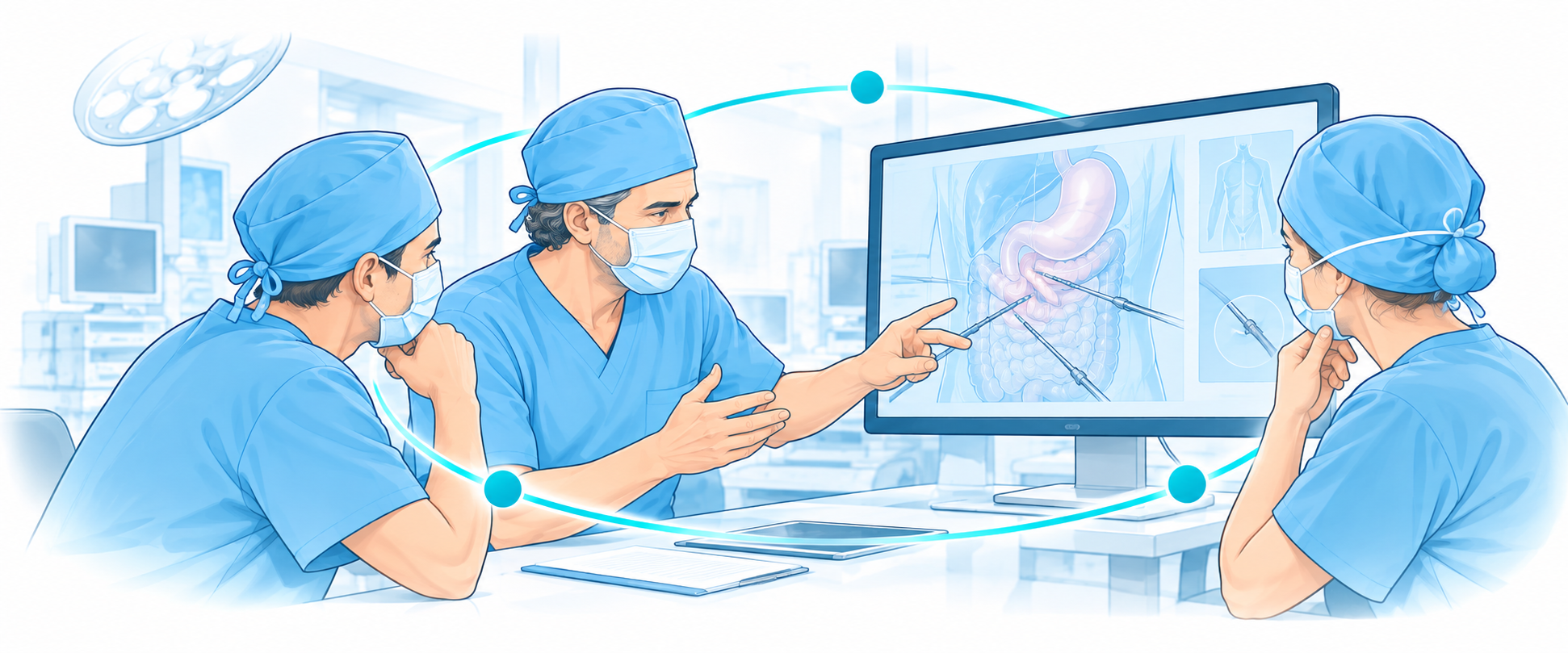
Surgery has historically been passed on through mentorship. This dimension remains important today.
Observing a procedure, discussing a surgical strategy, comparing different techniques and jointly analyzing complex situations make it possible to share an experience that is difficult to transmit through books or publications alone.
These exchanges can bring together surgeons, surgical teams and professionals from other institutions.
SCIENTIFIC EXCHANGES
Comparing experience with contemporary knowledge
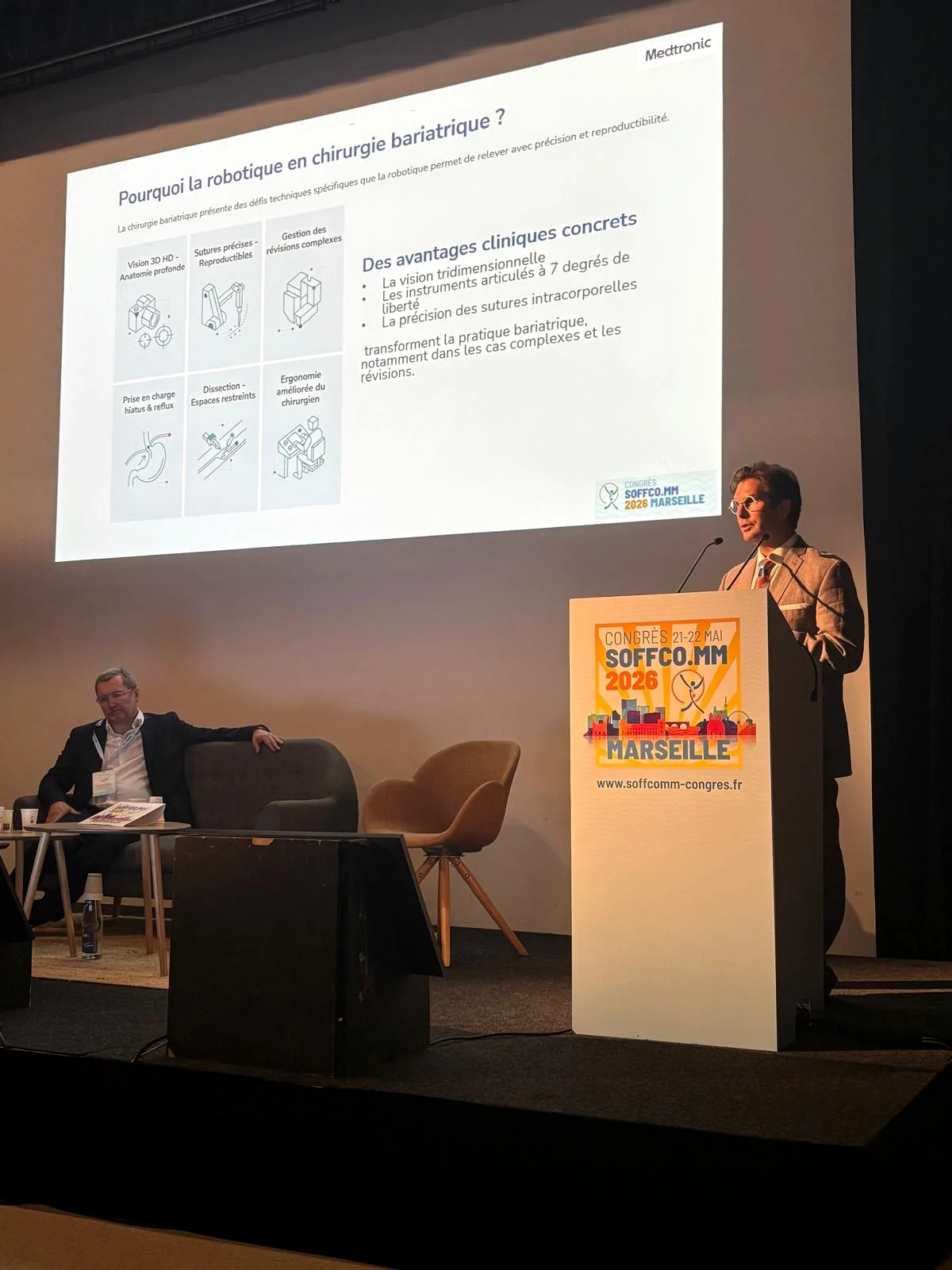
Medical and surgical congresses make it possible to present work, discuss new data, and compare practices between teams.
They contribute to the continuing education indispensable in an evolving discipline.
Dr Pierre Fournier takes part in scientific presentations and exchanges, particularly in the fields of visceral surgery, obesity surgery and minimally invasive techniques.
SCIENCE
Evaluating practice through data
Clinical research makes it possible to study treatment outcomes and to better understand the evolution of diseases and medical practices.
This approach complements the surgeon’s individual experience.
Dr Pierre Fournier’s background includes training in clinical research and epidemiology. His scientific work concerns in particular visceral surgery, bariatric and metabolic surgery, and the evolution of surgical practices.

PUBLICATIONS
Taking part in producing and sharing knowledge
Scientific publication makes it possible to share results, submit them to peer review, and contribute to the collective progress of medical knowledge.
Scientific publications
Knowledge that must remain tested against clinical reality
Scientific evidence is not a recipe to be applied identically to every patient.
Its interpretation depends on multiple factors: the patient’s specific situation, comorbidities, the context of care, and the surgeon’s own experience.
Evidence and experience are complementary: one does not replace the other.

ROBOT-ASSISTED SURGERY
Training in the use of new surgical technologies
The introduction of new surgical technologies requires specific training.
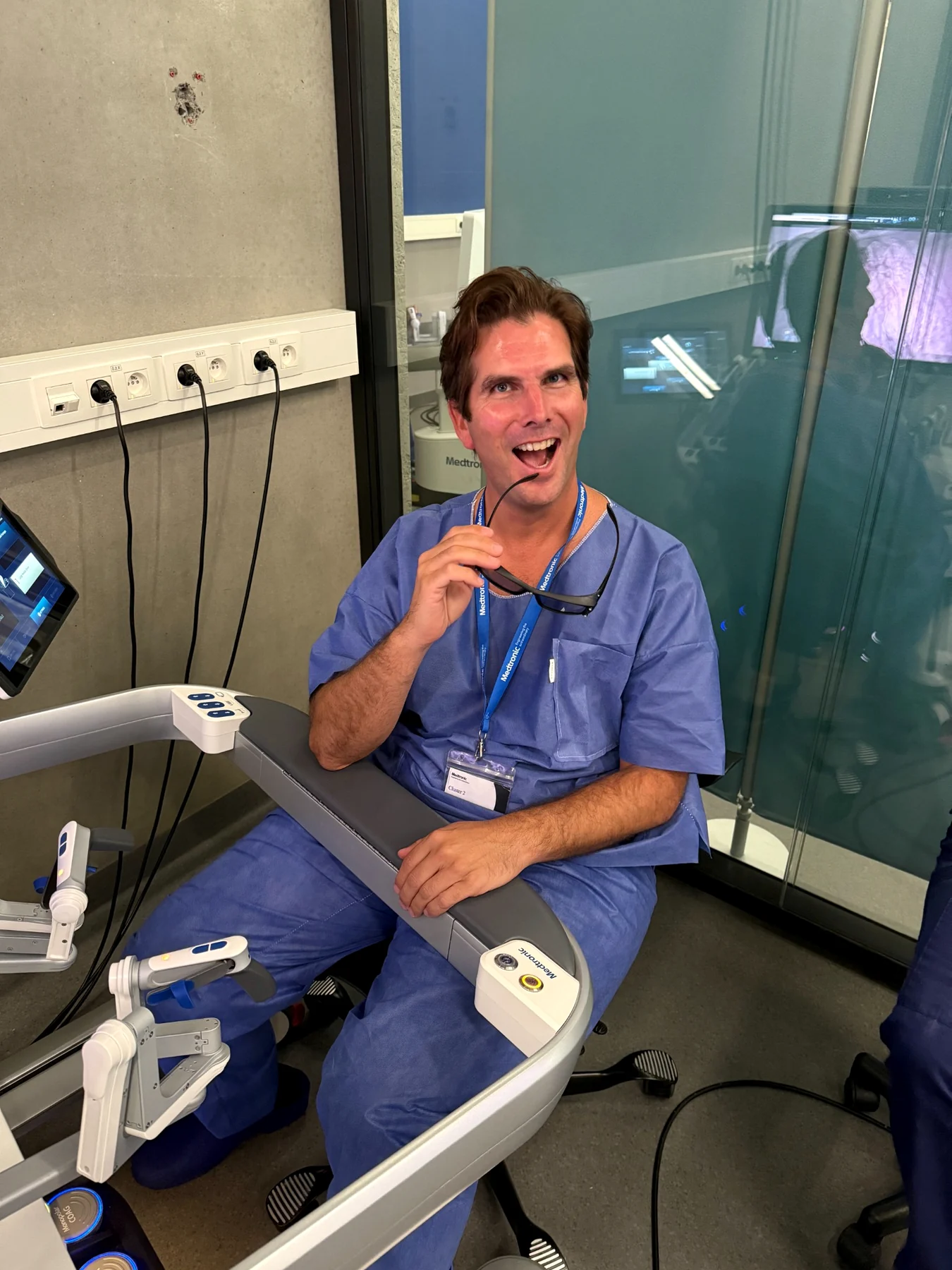
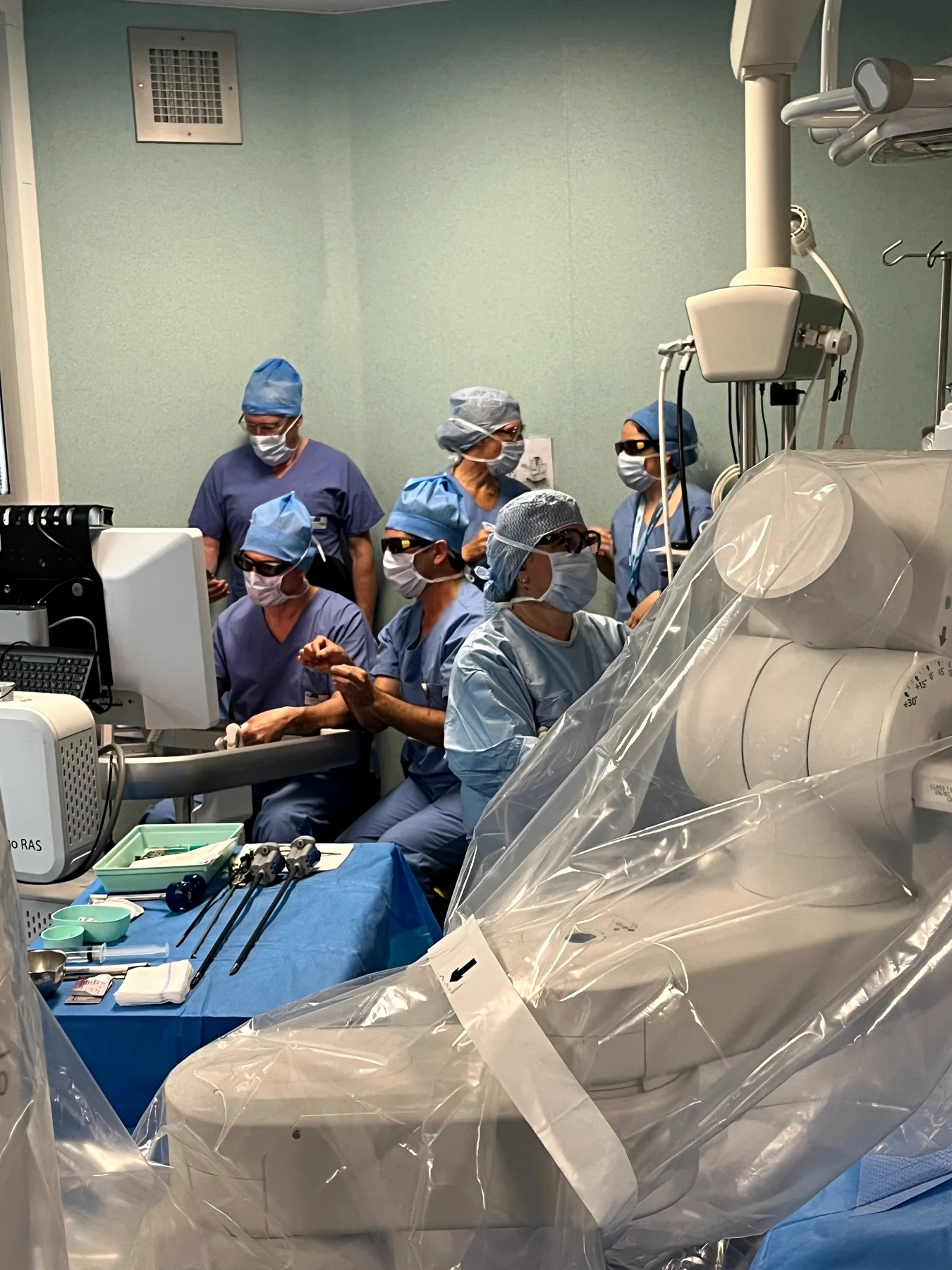
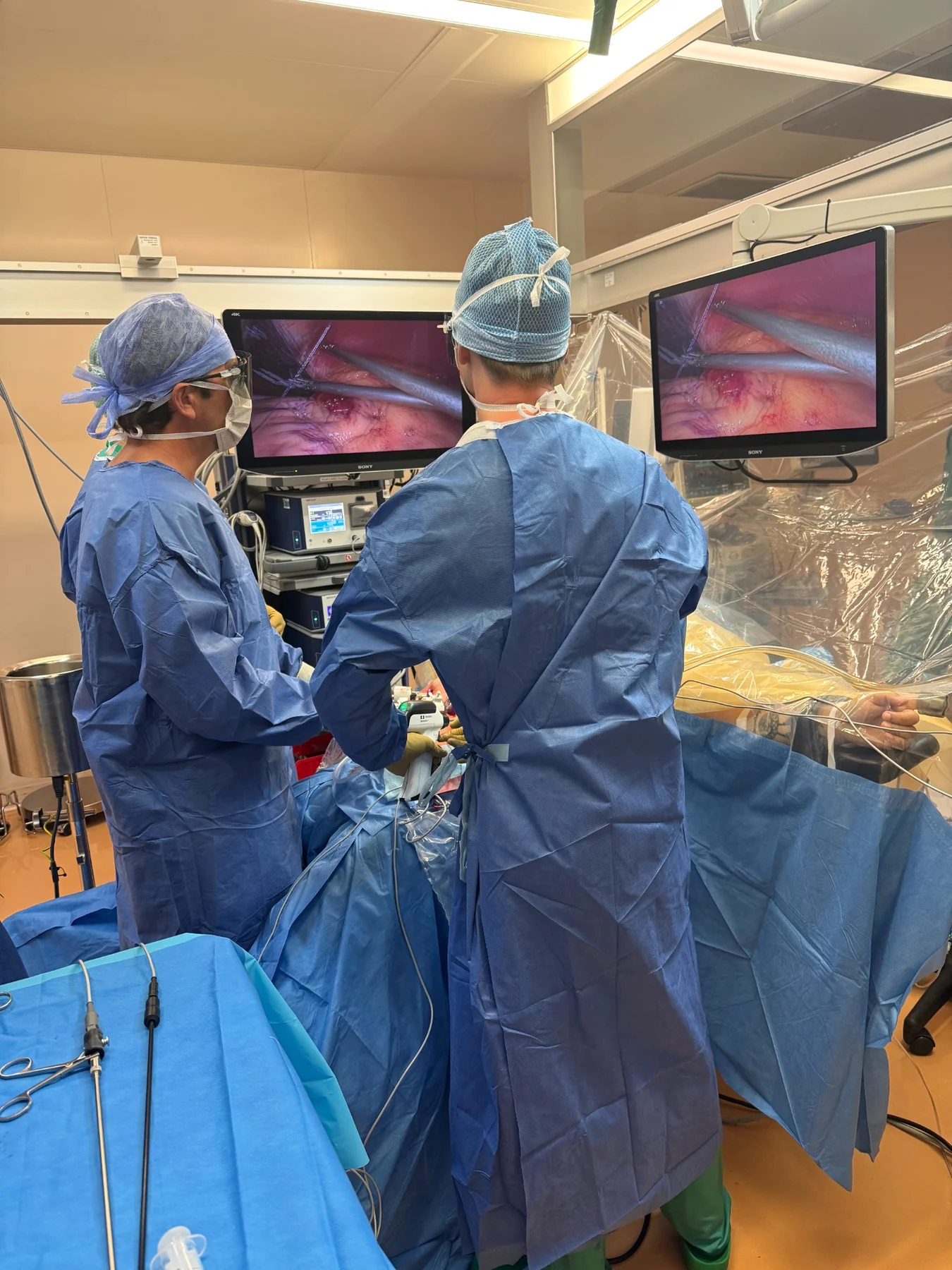
Dr Pierre Fournier acts as a proctor on Medtronic’s Hugo™ RAS platform, supporting other surgeons in learning this robot-assisted surgery system.
This role involves supervising early procedures, sharing practical experience, and helping other teams progressively gain autonomy on this technology.
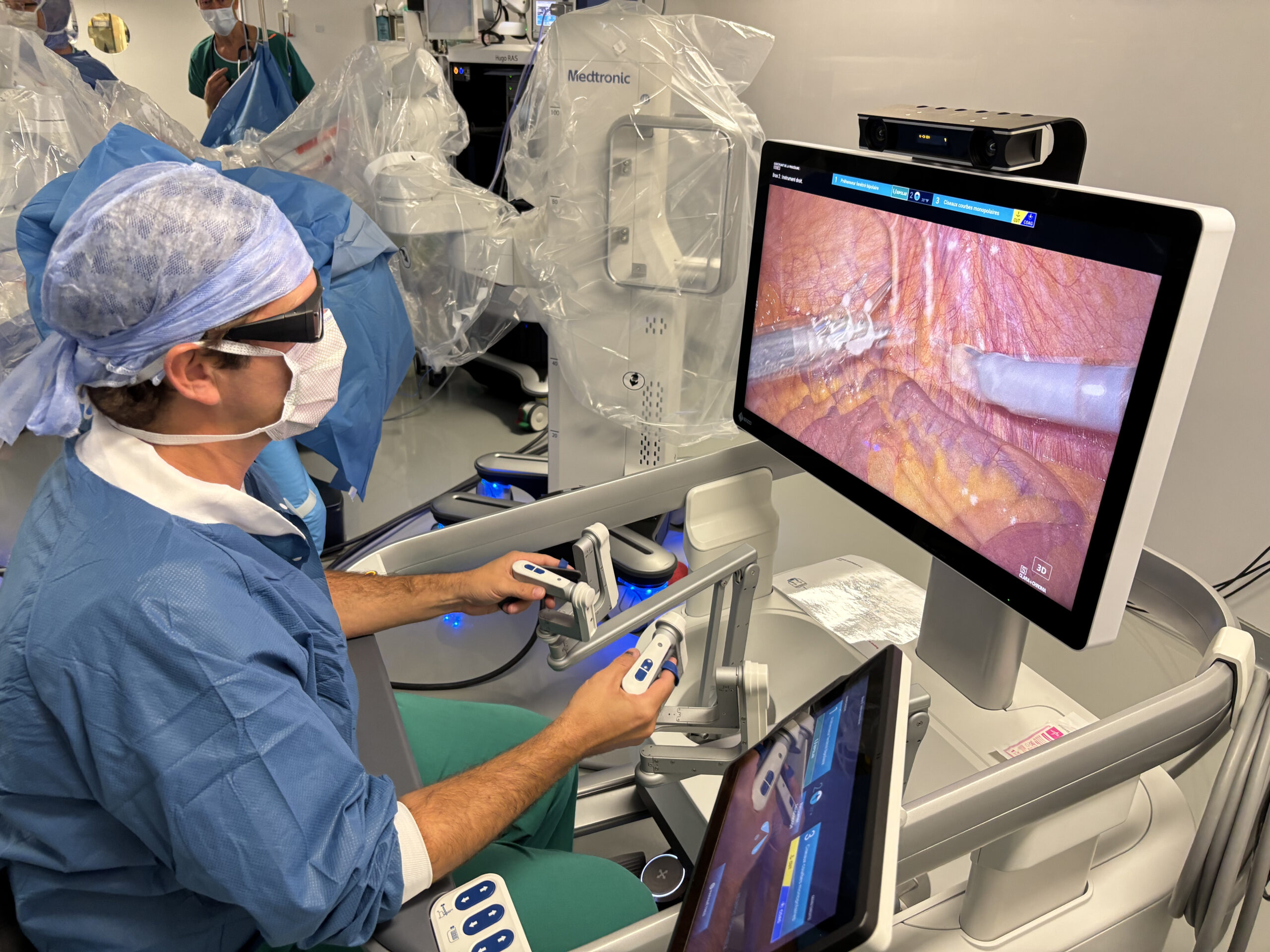
Welcoming surgeons and teams in Nyon
The GHOL (Groupement Hospitalier de l’Ouest Lémanique) in Nyon hosts training sessions and exchanges around robot-assisted surgery.
These visits are not limited to the equipment itself: they also cover the organization of the operating room, the surgical team, and the overall care pathway.
EVOLVING PRACTICES
Adopting innovation does not mean abandoning critical thinking
Adopting a new technique or technology requires the same rigor as any other medical evolution.
It calls for training, evaluation, the progressive accumulation of experience, careful analysis of results, and the selection of the situations in which it is genuinely relevant.
ACADEMIC INVOLVEMENT
Being part of a wider surgical community
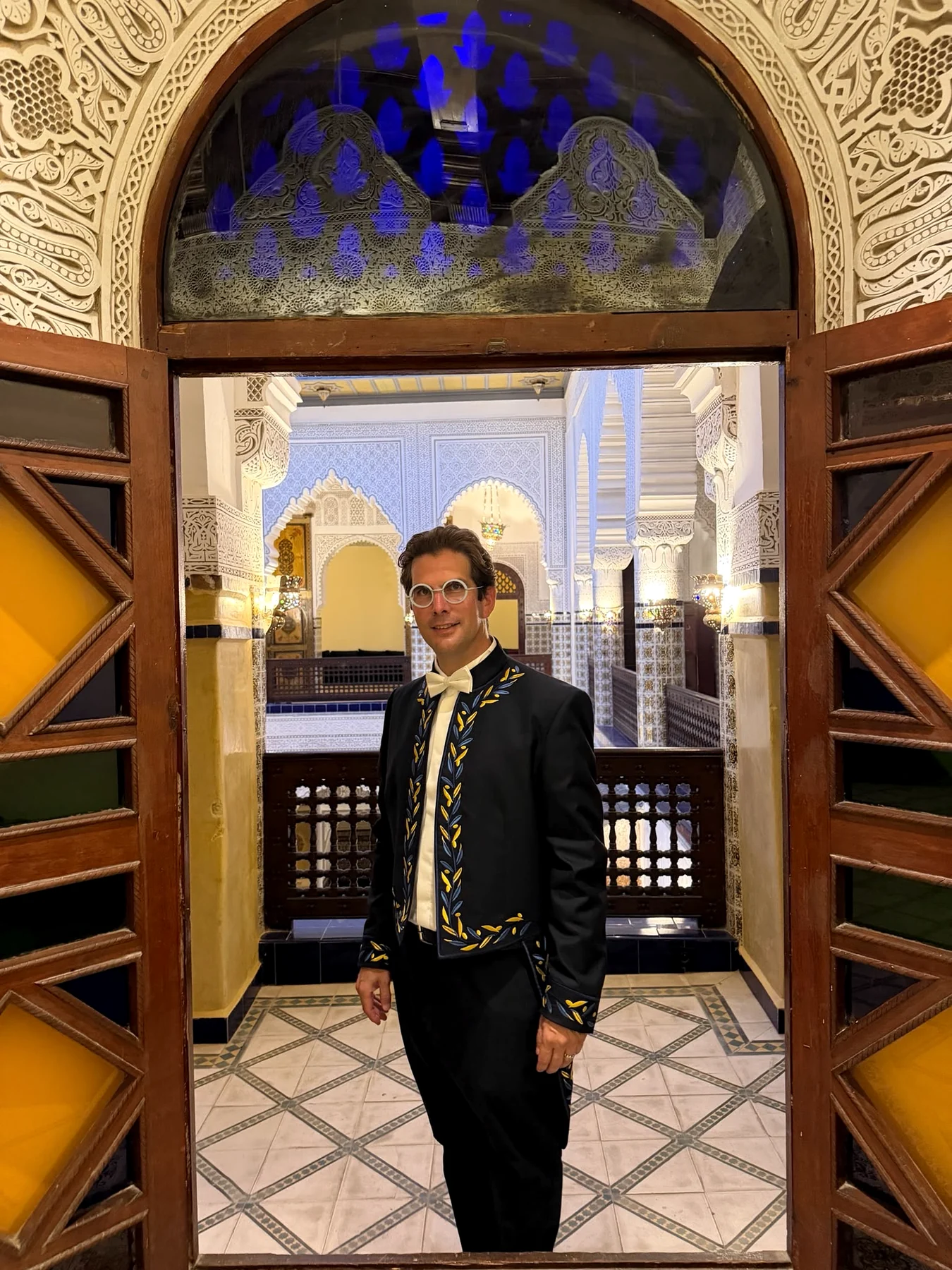
Dr Pierre Fournier is a member of the Académie Nationale de Chirurgie.
This involvement reflects a broader engagement with the surgical community, beyond individual clinical practice.
A continuity in the surgical career path
Teaching, research and knowledge transfer follow naturally from a surgeon’s own career.
Having received training from other surgeons, Dr Pierre Fournier now takes part, in turn, in transmitting that experience to others.
Surgery keeps evolving. So does the way it is passed on.
Surgical teaching, clinical research and exchanges between teams all contribute to advancing surgical practice and maintaining continuous professional education.